
Transforming your relationship with conflict
The power of transformative mediation

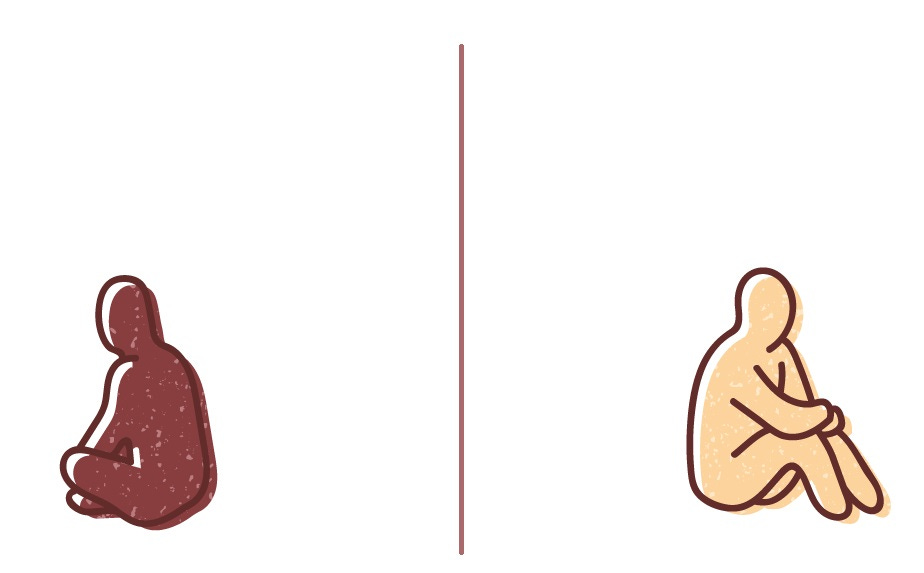
You probably have experienced something like this. All of a sudden, one day, you can't be in the same space as that colleague who doesn't agree with you. Maybe they shot one of your proposals down, or suddenly stopped supporting your initiative that they had said they would support. If you have to be in a meeting together, it's torture. Maybe you have some idea of their reasons. Maybe you don't. You don't want to blow things up, but there's that feeling of dread that you can't shake.
You might empathise with these two. Let's call them Robert and Sarah. When I met them, they were avoiding each other. Elevators and corridors were danger zones. They asked me to mediate their conflict.
In short separate meetings in the days before the mediation they each told me how they had been close, working together on a project. As I listened, they divulged their feelings, their dashed hopes for the project, and quite divergent stories about what had gone wrong and when. They each shared some regret for things they had said or done. Neither knew what the other was thinking or feeling, though they did wish they knew. And they each said some of their later responses, such as withdrawing, were as much an attempt not to hurt the other as to avoid hurt themselves.
That was where the real work of healing started.

The day of the mediation rolled around. They both arrived fearful. But they listened. And they gave each other space. And they opened up about their fears for the project, and their wish for a way to work together again. After about three hours they were talking together freely again.
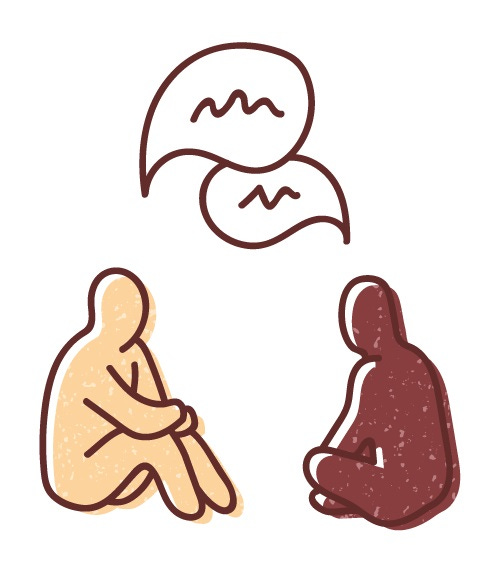
That's the power of transformative mediation. I helped them listen to each other and take ownership of decisions about what they wanted from their relationship with each other. Along the way I was helping them change their relationship with conflict so that they could lean into it and keep talking.
Being in conflict can tear at your insides and make even simple everyday activities, like turning up for work, difficult. This is bad for morale and productivity. Getting through or past this requires getting back into conversation. If you don't know how to do that, a mediator can help you build your conflict management skills while you restore your conversation.
If you or people in your workplace need help working through acute conflict situations, building your conflict management smarts, or re-weaving the social and cultural fabric of your workplace to remove conflict triggers, do reach out.
Illustrations by Numena Design
About
I trained in Transformative Mediation under Jim Cyngler in 2013, and have been an accredited mediator under the Australian national mediation standards since 2014. I also use my training in social and cultural analysis (PhD in anthropology) and design thinking to help people and organisations transform their environments and their relationship with conflict.
References
Below is a short list of references in case you want to know more about transformative mediation and how it differs from other, more problem-oriented mediation approaches.
Robert A. Baruch Bush and Joseph P. Folger (2004) The Promise of Mediation: The Transformative Approach to Conflict, 2nd ed. San Francisco: Jossey-Bass Publishers.
Joseph Folger and Robert A. Baruch Bush (2014) ‘Transformative Mediation’. International Journal of Conflict Engagement and Resolution Vol. 2, No.
1, pp. 20-34.
Brad Spangler (2013) ‘Transformative Mediation’. https://www.beyondintractability.org/essay/transformative_mediation
This can be so painful. When it happens in the nonprofit world it can snowball into a nightmare if it’s not addressed.